

Can 3 minutes really be enough?
30 years ago, spectral HRV analysis used to take 20 minutes. Today, thanks to our proprietary algorithms, you get the same accuracy in just a fraction of the time.
.avif)
From the lab to your nightstand
Discover the story behind 30 years of research, led by Elonga co-founder Radim Slachta.
1996
20-minute lab measurement
Where it all began
In 1996, physiologist Radim Slachta ran spectral HRV analysis on classmates at Palacky University. That 20-minute lab test became the foundation for what Elonga is today.
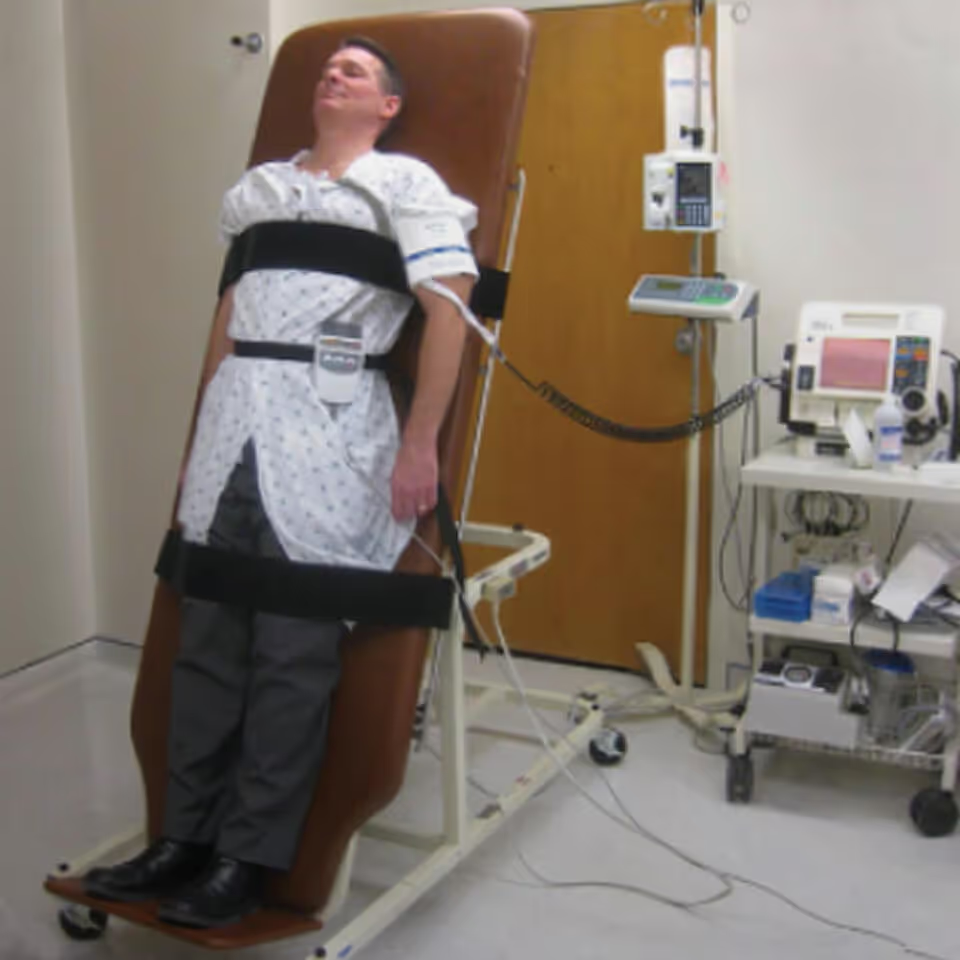


A college experiment that was ahead of the times
In 1992 Radim Šlachta started collecting the first data using spectral analysis as part of his dissertation on his classmates. The technologies of that time made it possible to make measurements only in laboratory conditions, using a specialized electrocardiograph. It was thanks to this method that it was possible to observe in detail the balance between parasympathetic and sympathetic in the autonomic nervous system.
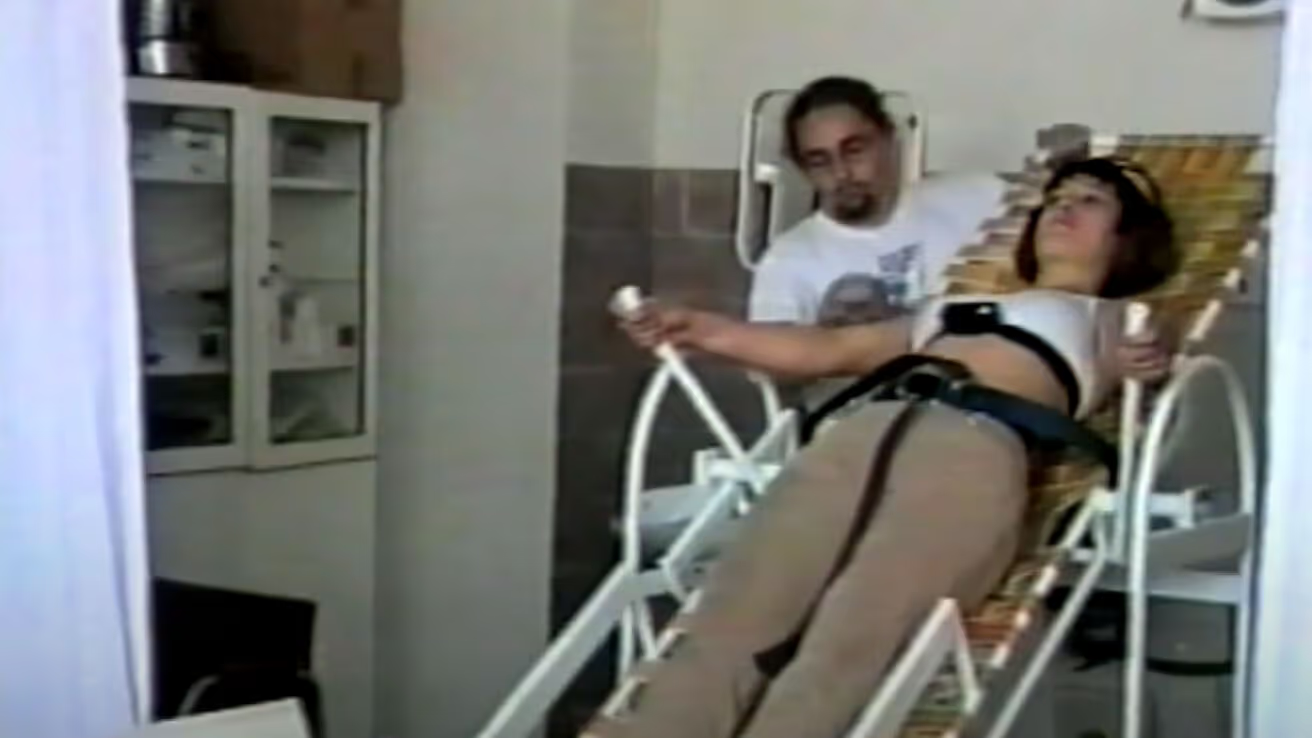
Verified by science, used in practice
The spectral analysis of HRV, according to the International Task Force (1996), is considered the gold standard for evaluating the autonomic nervous system, which unambiguously projects the state of our organism. Scientific works such as Stejskal and Salinger (1996), Botek (2007) or Bahenský and Grosicki (2021) show that HRV correlates with the level of recovery, the risk of overtraining as well as the effectiveness of training methods. Studies applied in clinical and sports practice confirm that heart rate variability is a sensitive indicator of not only physical but also psychological stress and should be evaluated by spectral analysis.
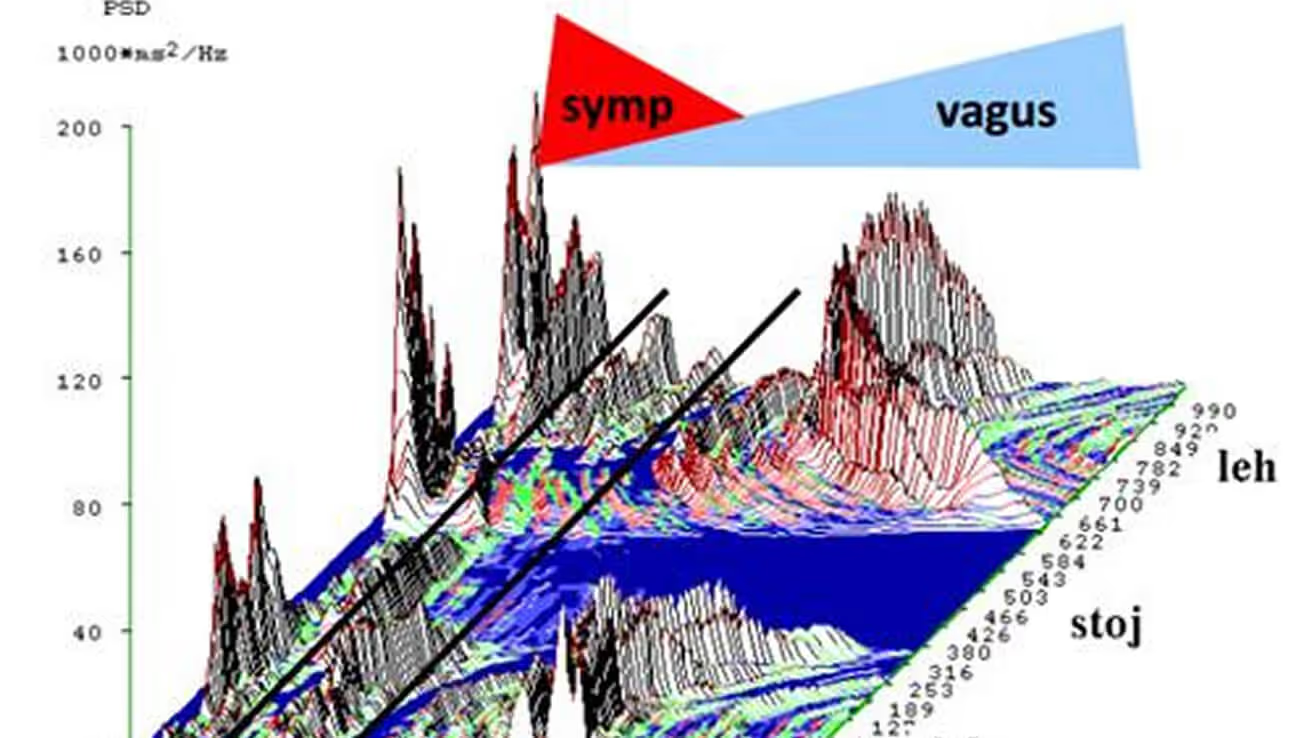
Objective: to give laboratory measurements to the general public
The challenge that Radim Šlachta set himself was to simplify demanding laboratory measurements so that the same quality of data could be obtained outside the research center. Thus, the idea arose to create a device that would transfer the possibilities offered by spectral analysis to ordinary people in the comfort of their own home.
2016
First target group: professional athletes
When performance is everything
After early lab success, it was clear that 20-minute HRV sessions weren't practical for everyday use. Slachta looked for people willing to invest that time for deeper insights - and found them in professional athletes.
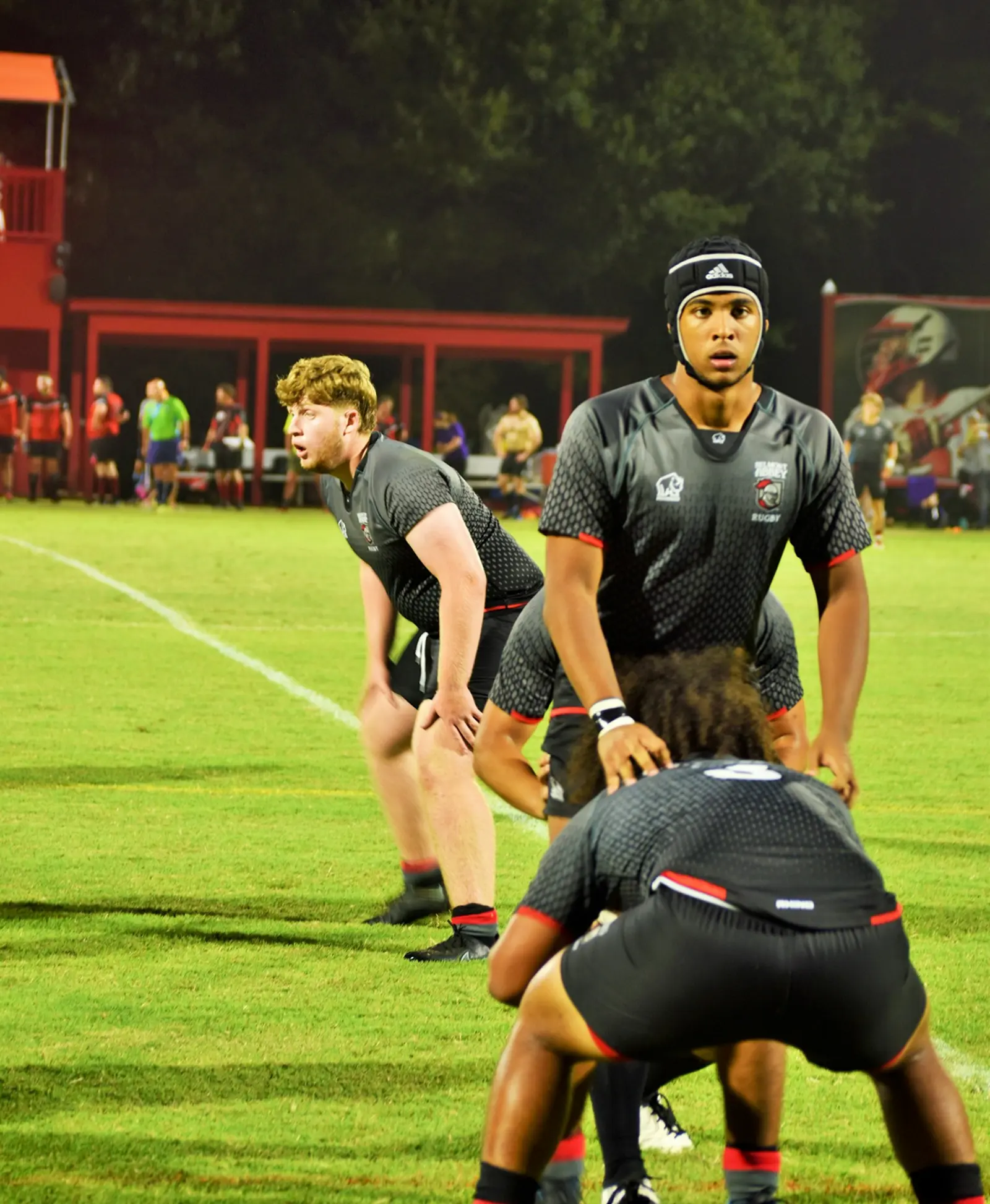
A willingness to embrace data-driven results
Elite athletes live in a world where details - thousandths of a second, performance, precision, and recovery - make all the difference. That's why they were willing to undergo lengthy lab measurements if it gave them an edge. Spectral HRV analysis offered them the ability to optimize training, prevent overload, and peak at the right time.

Working with national teams and Olympic athletes
Thanks to the high accuracy of measurements, spectral analysis became part of elite training programs across the Czech Republic and beyond. The method was used with track athletes, soccer players, and cyclists to optimize long-term training loads. It proved that even a complex lab method is worth it when it delivers real performance gains.

2019
300,000 measurements recorded
A scientific breakthrough in spectral analysis
Spectral HRV analysis spread quickly among Europe's elite - from Premier League footballers to F1 drivers and golf pros. Public demand grew too, but 20 minutes per session was unrealistic. The solution? Czech mathematicians stepped in.

Adopted by the elite
The 20-minute spectral analysis method became standard among athletes across Europe. Olympic team members, professional cyclists, and elite coaches all used it. But the public wanted an easier and faster path to the same results.
A massive dataset as the foundation
Over years of measurements, more than 300,000 lab data points had been collected. Each one captured a detailed physiological response to stress or recovery. This raised a key question: what if all this knowledge could be condensed into a few minutes - without sacrificing accuracy?
Partnering with Czech scientists and mathematicians
Radim Slachta's team partnered with Czech experts in mathematical modeling and artificial intelligence. Their mission was clear: create an algorithm that could shorten measurements from 20 minutes to just a few - without losing accuracy or depth. And so a new era began - the road to Elonga for everyone.
2020
AI before it was cool
From 20 minutes to just 3: the first tests
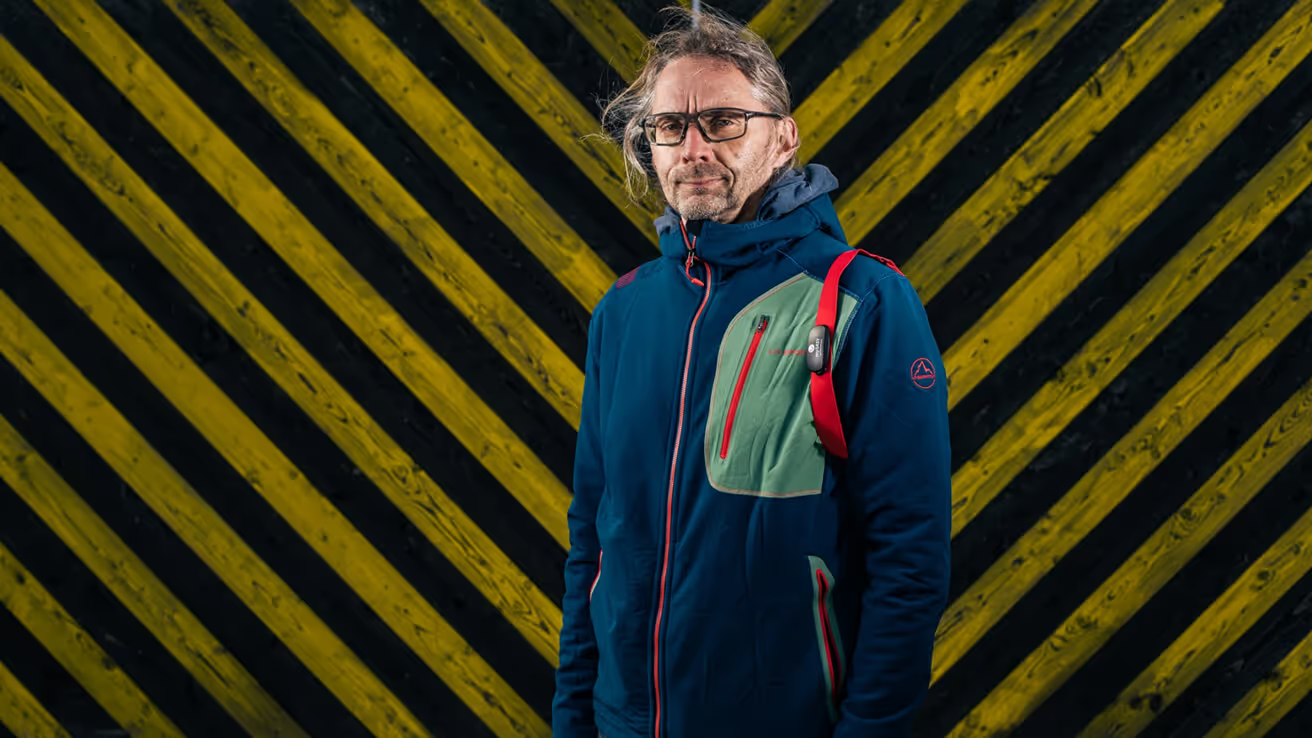
2020 marked a breakthrough. After over 300,000 tests, a mathematical model was built that cut the 20-minute lab analysis down to just 3 minutes. This innovation used machine learning before it became mainstream - and launched a new era of HRV measurement.
Shorter measurement, same accuracy
Thanks to the massive dataset, it became possible to identify patterns in HRV signals. Based on the first three minutes, the algorithm can predict with high accuracy what the remaining 17 minutes of a lab measurement would look like. The quality was preserved - only the format changed.

The model 'knows what's coming'
The machine learning model was trained on hundreds of thousands of real-life situations - from everyday routines to states of extreme stress, fatigue, or peak form. Once Elonga captures the first three minutes of your HRV signal, the system immediately matches it against a database of similar patterns. Think of it as having 300,000 reference scenarios at its disposal.
Technology ahead of its time
At a time when most wearables relied on simple algorithms, Elonga was built on a deep understanding of human physiology and advanced modeling. The result is a unique combination of science, data, and technology that reveals in three minutes what previously required expensive equipment and much more time.
2021
Brought it down to 3 minutes. What’s next?
Spectral analysis for everyone: from elite athletes to everyday people
By 2021, the 3-minute test was ready - but a number alone wasn't enough. It was no longer just for pro athletes; everyday people wanted to understand their bodies, prevent illness, and live healthier. Elonga had to rethink its approach and start building a service for everyone.
.avif)
From performance to everyday health
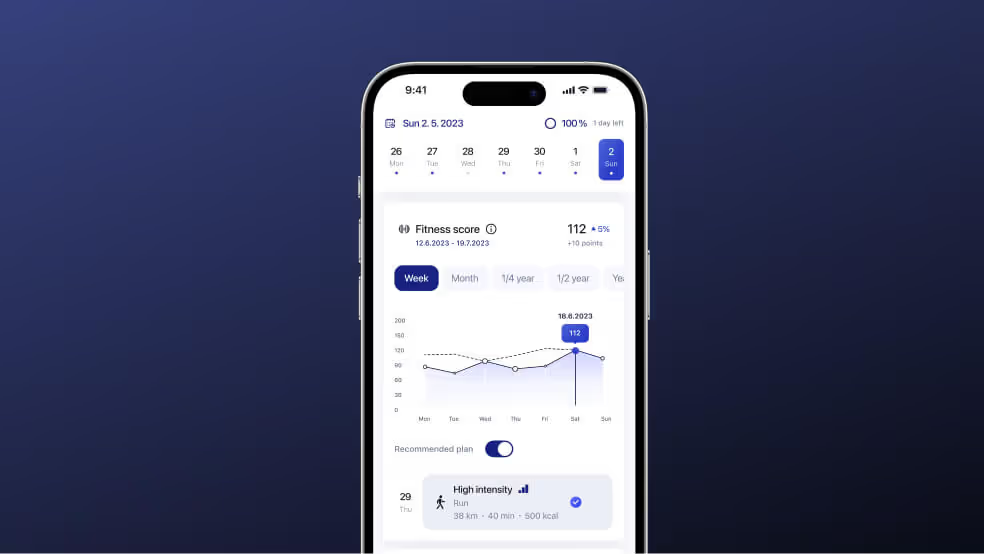
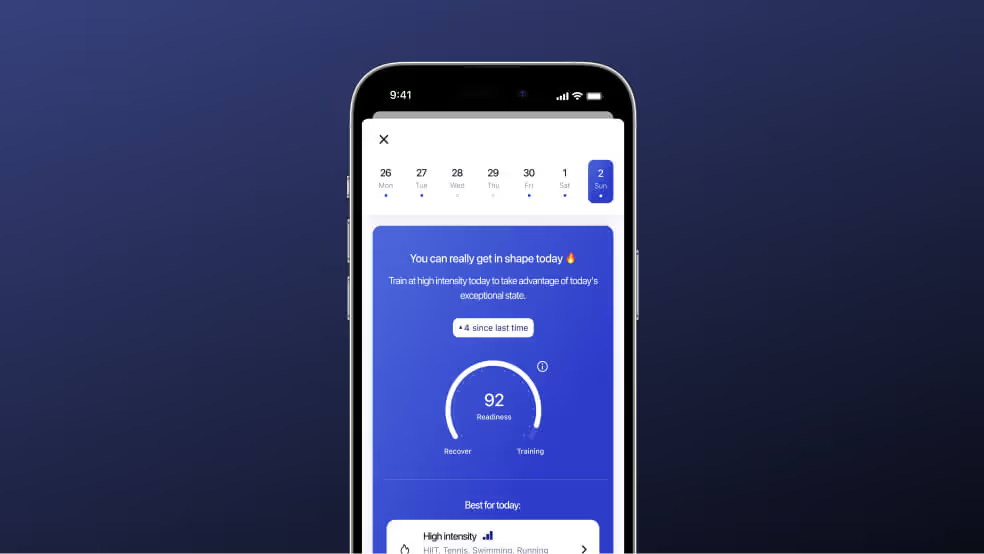
Elite athletes needed to know when to push to the max. But the general public cares more about recovery, prevention, and long-term health. So the outputs were reformulated: instead of training recommendations, Elonga began focusing on functional age, stress levels, recovery quality, and daily readiness - clear, understandable metrics for everyone.
A new approach
We already knew how to work with data. But now we had to change the way we communicated them. It was no longer about performance tables and coaching metrics - we needed a new language. One that tells people not just how to exercise, but how to live better. So we built a clear dashboard, daily recommendations, and content that teaches users to listen to their own bodies.
A year and a half of development, testing, and refinement
From idea to real service, the journey was full of trial and error. We tested with diverse groups - from students to doctors, managers to moms. The goal was always the same: a measurement that takes only 3 minutes, but delivers insights that last all day. And every user should get meaningful, actionable information, regardless of age, fitness level, or goals.
End of 2023
Elonga on your nightstand
From lab to life: 30 years of research, in the palm of your hand
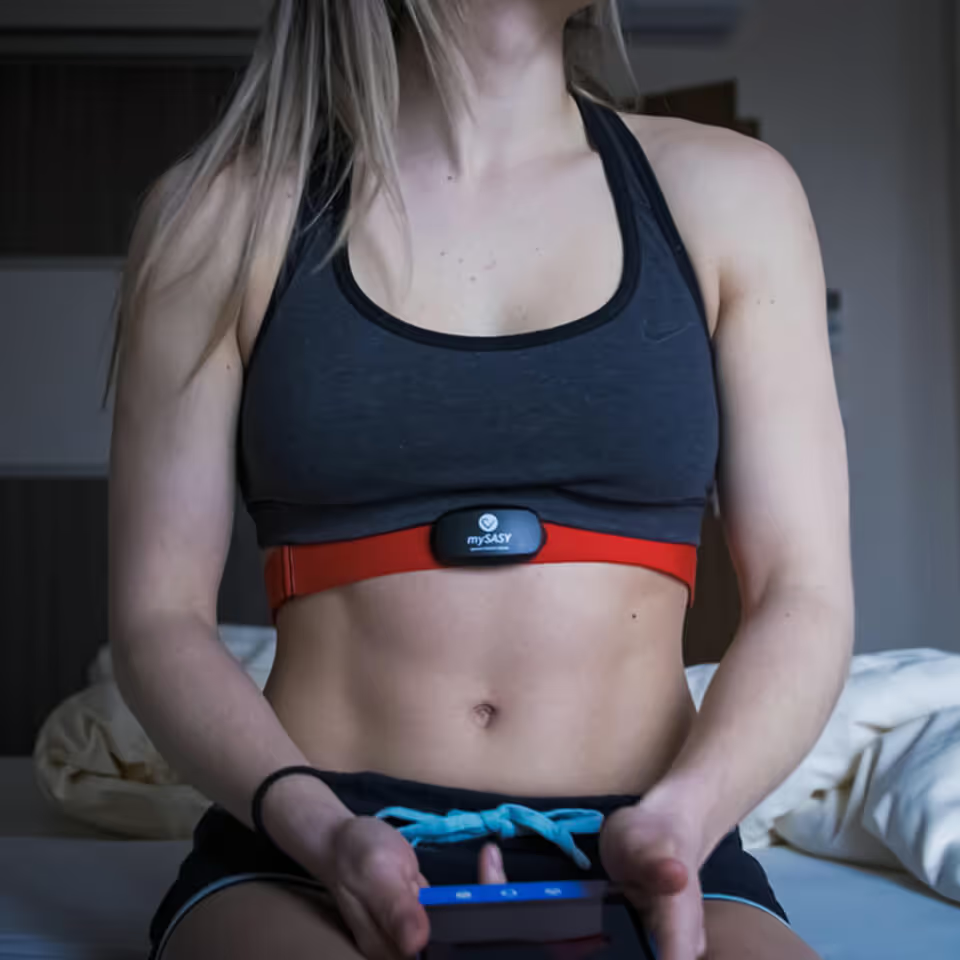
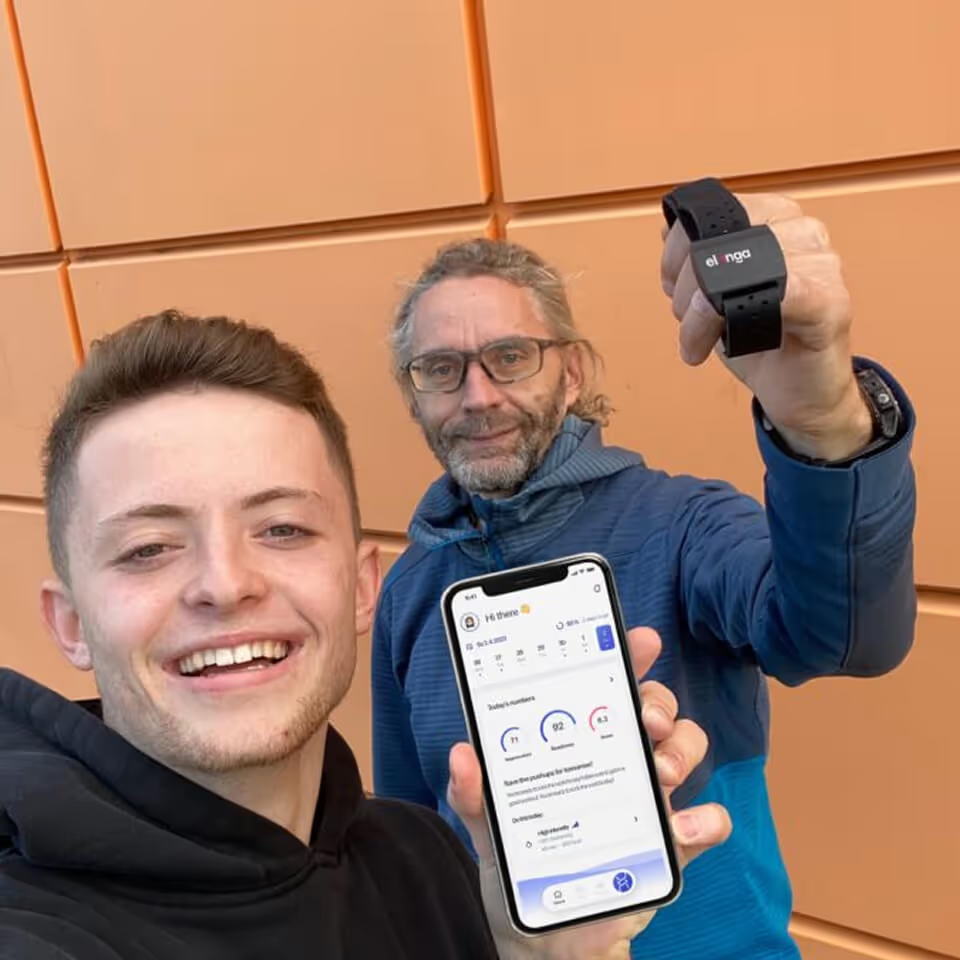
By the end of 2023, the dream became reality. After 30 years of research, testing, and development, Elonga entered thousands of homes. No bulky lab equipment - just a device that fits in your hand. Every morning, it helps over 20,000 people understand their bodies better.
10,000 customers in the first year
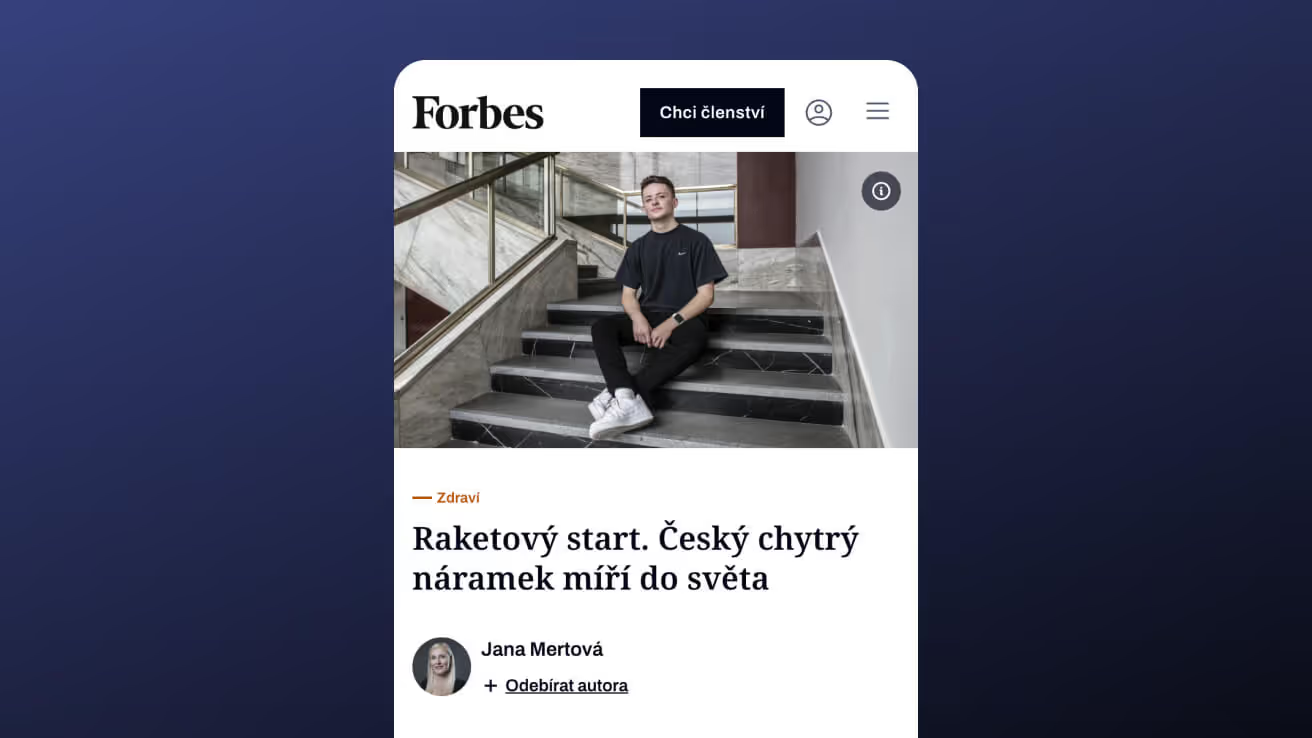
Elonga's launch exceeded all expectations. In its first 12 months, more than 10,000 users joined. The growth rate proved that people want a tool that gives them trustworthy health information - without having to measure, count, or analyze data themselves.
A one-of-a-kind technology
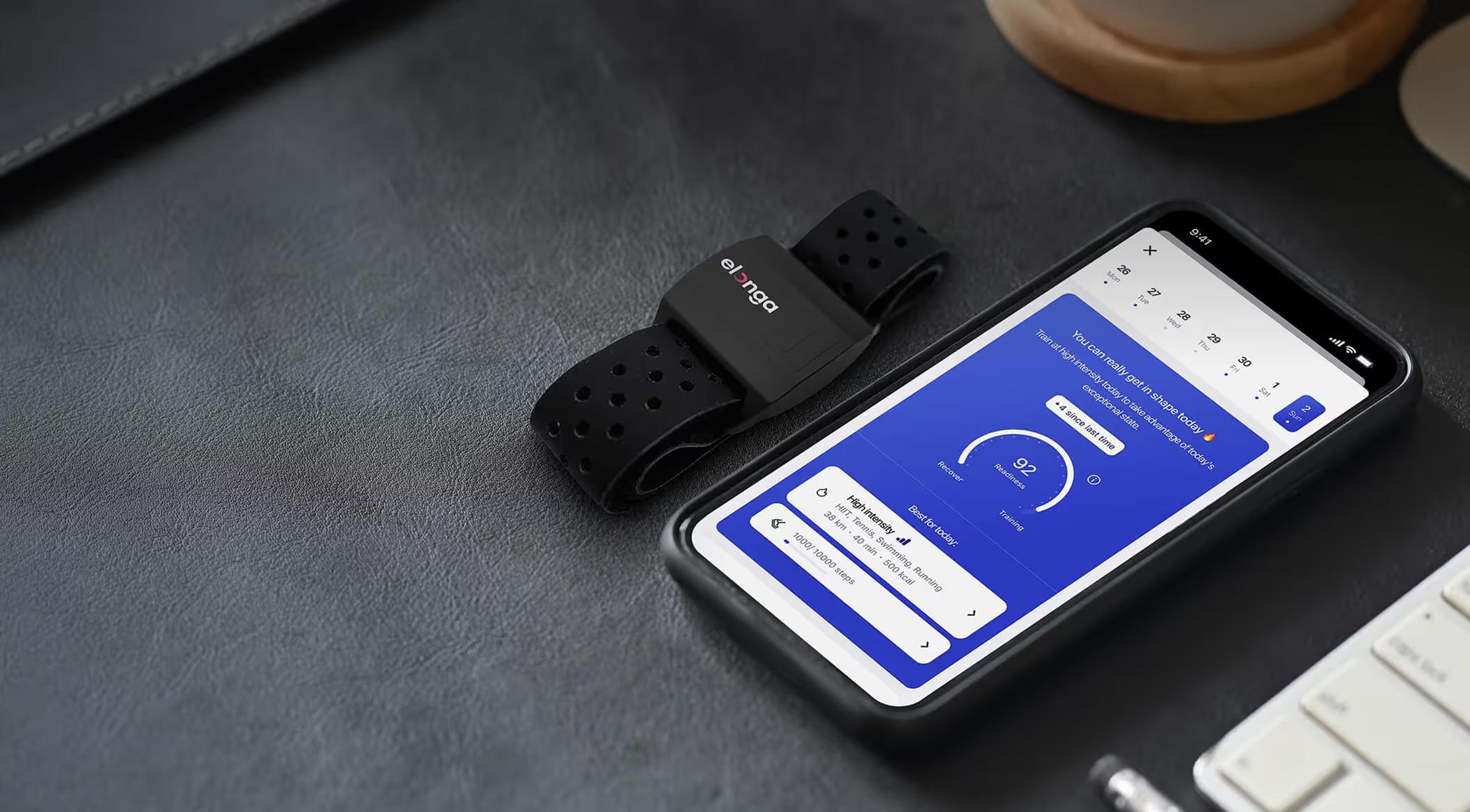
To this day, Elonga is the only technology in the world that uses spectral analysis and machine learning to assess the autonomic nervous system in just three minutes after waking up. No complex sensors, no all-day wear - just a calm morning measurement and a clear result.

The start of a new era in biofeedback
What Radim Slachta envisioned 30 years ago is changing lives today - from managers preventing burnout, to athletes optimizing recovery, to everyday users who want to know when to slow down. Elonga isn't just sitting on your nightstand. It's the beginning of a new era of daily health care.
The most precise HRV measurement method
Backed by thousands of studies worldwide
.avif)
LAUNCHED IN THE US · APRIL 20
On 20,000 Europeans’ bedside tables. Now on yours.
Recenze pochází z

App Store

Google Play

Hodnotilo 2550+ zákazníků


DV


May 5, 2024
This is some text inside of a div block.
David Vincent
from
Czech Republic
Does what it promises. The 3 minutes every morning have become an effortless habit by now! Way easier than normal smartwatches.
RM
March 6, 2024
This is some text inside of a div block.
Richard Martin
from
Slovakia
The daily "what should I do today" rec is basically a personal coach. Backed off when it said to recover, crushed sessions on green-light days. Down 4 years in functional age since January.
R
December 2, 2024
This is some text inside of a div block.
Ryan
from
Austria
I’ve been using it for about eight months, and you can really see progress if you follow the app’s recommendations.
MC
September 7, 2023
This is some text inside of a div block.
Miro Coop
from
Czech Republic
Has caught illness coming days before I felt it - multiple times now. Love it!!
SN
August 15, 2023
This is some text inside of a div block.
Simone Novak
from
Slovakia
Measurement is consistent and accurate. The personalized training plan is where the real value is for me.
JK
February 10, 2024
This is some text inside of a div block.
Jerry Kratos
from
Slovakia
Finally understand what recovery actually means. Wth only 3 minutes a day. Recommend to everyone.
SF
September 20, 2023
This is some text inside of a div block.
Steve Filar
from
Netherlands
First tool that's actually made me listen when my body needs a break. Haven't been sick in 8 months.
M
November 1, 2023
This is some text inside of a div block.
LucasR23
from
Austria
The measurement is quick and I don’t have to wear anything all day.
JW
March 9, 2026
This is some text inside of a div block.
James Whitfield
from
United Kingdom
Elonga helped me face my stress. Every morning, I can see my stress levels and which habits help me to reduce it. Feeling normal again with this simple routine.
MV
November 18, 2024
This is some text inside of a div block.
Marek Veselý
from
Slovakia
The science behind this is legit - listened to the founder's interview, then dove in. It's not another step-counter. Now it's a daily ritual.
TA
April 6, 2025
This is some text inside of a div block.
Thomas Ashworth
from
United Kingdom
Elonga provides personalized daily workout recommendations that eliminated my inconsistent gym habits. Stopped overtraining or having week-long breaks, plus battery lasts months!
DC
July 5, 2023
This is some text inside of a div block.
David Cooper
from
Austria
Weekend warrior, not a pro. Was worried this would be overkill. It's not - recommendations scale to what you actually do.
MB
February 6, 2025
This is some text inside of a div block.
Mark Baxter
from
Czech Republic
Honestly great. Does exactly what it says.
TL
May 16, 2025
This is some text inside of a div block.
TomasLam
from
Germany
Great app. Has become part of my morning routine — right up there with coffee. Clear data, clear recommendations.
P
August 9, 2023
This is some text inside of a div block.
Peter
from
Slovakia
Finally an app where you can work with data, thanks!
L
June 14, 2024
This is some text inside of a div block.
Lucas
from
Slovakia
It’s a really great add-on to my Garmin watch.
KP
August 10, 2023
This is some text inside of a div block.
Karl Pace
from
Poland
Runs in the family - got one for my mom (61). Gave her a completely different view of her energy levels. Now we compare functional ages weekly. Great conversation starter too.
PD
March 23, 2022
This is some text inside of a div block.
Petra Dgheim
from
Netherlands
I'm sleeping better, worth every penny.
TR
May 5, 2023
This is some text inside of a div block.
Tom Ryan
from
Czech Republic
Solid product. Results are always 3 days ahead of me.
MD
October 15, 2023
This is some text inside of a div block.
Michael Dvořák
from
Czech Republic
Solid product through and through. The data is clean, and the interpretation is just as clear.
LH
February 12, 2023
This is some text inside of a div block.
Lukas Horak
from
Czech Republic
Three minutes in the morning, full picture. Recommend to every person I know.
E
January 18, 2024
This is some text inside of a div block.
Ellis
from
Czech Republic
The first product that gives real results and recommendations, not just what I want to hear.
VC
April 14, 2023
This is some text inside of a div block.
Vincent Cross
from
Greece
Love the 3-minute measurement!!
LM
June 18, 2023
This is some text inside of a div block.
Luke Marsh
from
Netherlands
20 seconds to put it on, 3 minutes to measure. What more can I say.
T
May 14, 2024
This is some text inside of a div block.
Tomas R.
from
Hungary
Great app, accurate measurements, and clear guidance on what to do next.
ZB
May 22, 2025
This is some text inside of a div block.
Zack Blaze
from
Austria
The AI summary every morning actually teaches you something about your own body.
JH
October 3, 2023
This is some text inside of a div block.
Jenna Hart
from
Slovakia
Daily recommendations are gold. Exactly what I needed to start making smarter choices in the morning.
HJ
May 1, 2024
This is some text inside of a div block.
Hans Jäger
from
Netherlands
Works great and the data is genuinely useful. Graphs are clean and easy to read too.
FS
March 8, 2023
This is some text inside of a div block.
Frank Shimon
from
Netherlands
When stress climbed 5 days straight, I took a rest week. Came back stronger. Would've blown through it without this data.
CP
May 8, 2025
This is some text inside of a div block.
Charlotte Pemberton
from
United Kingdom
Following Elonga's recommendations for a month transformed me completely. Used to be skeptical at the beggining when results didn't match my feelings, but now I realize mental and physical states differ.
RP
November 12, 2023
This is some text inside of a div block.
Ricardo Posp
from
Slovakia
Solid app, solid sensor. The daily recommendations have genuinely improved how I live and how I recover.
RH
November 28, 2023
This is some text inside of a div block.
Rick Holloway
from
Belgium
Three weeks in and it's already replaced checking my Whoop. Faster, no 24/7 wearing, actually actionable advice, not just data.
NB
March 9, 2025
This is some text inside of a div block.
Niels van der Berg
from
Netherlands
64-year-old lifelong athlete. Elonga provides insights without the data overload of other gadgets. All the benefits without looking like a "grandpa trying to be cool."
MP
June 27, 2024
This is some text inside of a div block.
Mike Peterson
from
Austria
Been tracking HRV with Whoop for 3 years before switching. The Readiness + Recovery + Stress combo here is the most actionable morning snapshot I've used.
AS
November 6, 2022
This is some text inside of a div block.
Allison Shah
from
Greece
Yes, it's a real investment. But it paid for itself the first month I stopped overtraining through a bad recovery week. You learn to read your own body better — a skill that outlasts any app.
LM
June 10, 2023
This is some text inside of a div block.
Lena Markward
from
Czech Republic
Works well, great insights. Morning routine has become something I look forward to.
PM
April 22, 2024
This is some text inside of a div block.
Peter Matthews
from
Germany
Everything I need, nothing I don't. The clearest read on my body I've ever had from a device.
TB
January 20, 2024
This is some text inside of a div block.
Thomas Bennet
from
Germany
Simple enough for my dad (68) to use, detailed enough that I can nerd out on the trend graphs.
LH
January 4, 2023
This is some text inside of a div block.
Luke Harper
from
Austria
Helps me decide between hard days and easy ones. App works flawlessly on iPhone.
FD
May 1, 2025
This is some text inside of a div block.
Fleur van Dijk
from
Netherlands
Elonga is based on real science that helps prevent overtraining. Wish I could access all 60 parameters it measures for deeper analysis.
ML
May 8, 2024
This is some text inside of a div block.
Martin Lacina
from
Czech Republic
First thing I check every morning. Know exactly how hard I can push on the bike that day. Haven't had an overtraining bonk in 4 months.
M
June 27, 2025
This is some text inside of a div block.
Mike2003_
from
Germany
Clean app, does what it says. The 3-minute morning measurement has honestly been life-changing.
AP
December 5, 2023
This is some text inside of a div block.
Andrew Park
from
Germany
Plan my whole training week around the Readiness trend. Never felt better.
AV
January 25, 2023
This is some text inside of a div block.
Alex Vrana
from
Slovakia
I know by 7am whether it's an intensity day or a zone-2 day. That clarity is worth the investment alone.
IT
June 19, 2025
This is some text inside of a div block.
Isabelle Thornton
from
United Kingdom
Switched from Whoop to Elonga. Now I just measure myself for 3 mintues instead of monitoring 24/7. I get exactly what I need without looking like a "weirdo" with a constant monitoring device.
PJ
July 20, 2025
This is some text inside of a div block.
Peter Jelin
from
Czech Republic
Everything works well - not a single issue in over a year.
JW
May 14, 2024
This is some text inside of a div block.
Jason Wheeler
from
Netherlands
Changed how I approach workouts. Before, I'd follow my program whether I felt trashed or fresh. Now I know if it's a push-hard day or a back-off day. My knees thank me.
PN
March 15, 2024
This is some text inside of a div block.
Paul Nowitzki
from
Poland
The recommendations feel calibrated to me, not to a generic model.
OH
November 10, 2025
This is some text inside of a div block.
Oliver Hargreaves
from
United Kingdom
I work in finance and Elonga helps me predict when I'm approaching a winter cold again which I suffer from. I get to know when to slow down, I guess 3-minute morning measurements really work!
J
August 21, 2023
This is some text inside of a div block.
Jana L.
from
Netherlands
Over time, I can see long-term progress, especially in stress and sleep.